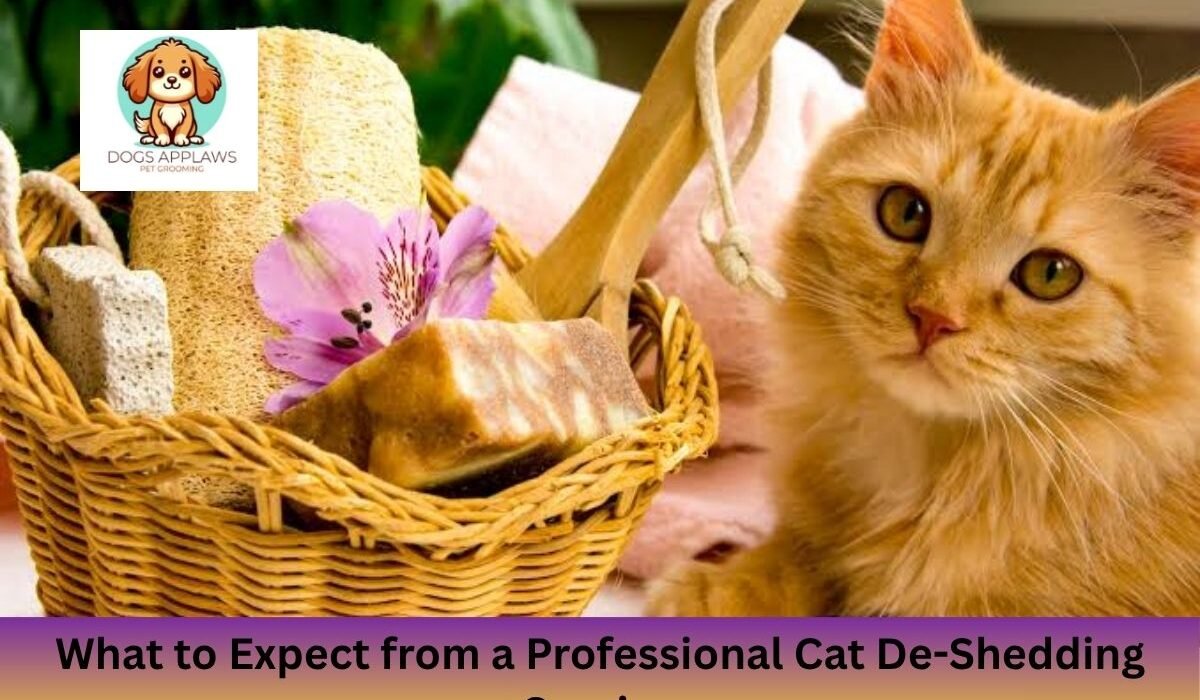
What to Expect from a Professional Cat De-Shedding Service
Cats are wonderful companions, but anyone who shares a home with one knows that fur seems to find its way everywhere. It settles on your couch, clothes, carpets, and even your morning coffee. While regular brushing at home certainly helps, it often isn’t enough during seasonal shedding or for cats with thick coats. That’s where a professional cat de-shedding service becomes a game-changer.
A professional de-shedding treatment goes far beyond simply brushing away loose hair. Experienced groomers use specialized tools, premium shampoos, conditioning treatments, and proven grooming techniques to remove dead undercoat safely while protecting your cat’s skin and coat health. The result is a cleaner home, a happier cat, and significantly less fur floating around your living space.
Whether you’re searching for a de-shedding service near me because your cat is leaving hair everywhere or you’re simply looking to improve your pet’s coat condition, understanding what happens during a professional appointment can help you make the right decision. In this guide, you’ll discover everything included in a professional cat de-shedding service, the benefits it offers, how often your cat should receive treatment, and why professional grooming is an investment in your cat’s overall health, not just its appearance.
Why Cats Shed More Than You Think
Shedding is completely natural. Cats constantly replace old or damaged hair with healthy new growth. However, indoor lifestyles, climate-controlled homes, seasonal changes, diet, stress, and breed all influence how much your cat sheds throughout the year.
Long-haired breeds like Maine Coons, Persians, and Ragdolls naturally produce more loose hair than short-haired breeds. Even short-haired cats can surprise owners with the amount of dead hair trapped beneath the topcoat.
Professional groomers understand the coat structure of different breeds. Instead of removing healthy hair, they carefully eliminate only the loose undercoat that would otherwise end up around your home.
Some pet owners mistakenly believe excessive shedding always signals a medical problem. While illness can contribute, many healthy cats simply need proper grooming to manage seasonal coat changes effectively.
Signs your cat could benefit from professional de-shedding
- Large amounts of fur on furniture every day
- Frequent hairballs
- Matted areas beginning to form
- Coat appears dull or greasy
- Increased scratching
- Heavy seasonal shedding
- Thick undercoat buildup
- Loose fur coming out in handfuls during brushing
What Happens During a Professional Cat De-Shedding Service?
Many first-time owners wonder what actually happens during a grooming appointment. The process is much more comprehensive than most people expect.
Professional groomers begin with a full coat and skin assessment. They look for mats, skin irritation, parasites, dry patches, and areas requiring extra attention before starting any grooming work.
Next comes a specially formulated cleansing bath. Professional-grade shampoos loosen dead hair while cleaning dirt, oils, and allergens trapped within the coat. A moisturizing conditioner follows to soften the hair and reduce future breakage.
After drying the coat with pet-safe equipment, the groomer performs de-shedding using professional tools designed for your cat’s coat type. Loose undercoat is carefully removed without pulling healthy fur.
Finally, the groomer completes the appointment by trimming nails, cleaning ears if needed, checking paws, and giving the coat a final finishing brush for a smooth, healthy appearance.
A professional appointment typically includes
- Coat evaluation
- Skin inspection
- Nail trimming
- Ear cleaning
- Premium shampoo
- Moisturizing conditioner
- High-velocity drying (when appropriate)
- Professional de-shedding
- Final brushing
- Coat health recommendations
The Biggest Benefits of Professional De-Shedding
The most noticeable benefit is obvious: you’ll find far less cat hair throughout your home. However, the advantages go far beyond cleaner furniture.
Removing a loose undercoat improves airflow against your cat’s skin. Better airflow helps regulate body temperature while reducing trapped moisture that can lead to irritation or unpleasant odors.
Professional grooming also reduces hairballs. Since your cat swallows less loose hair during self-grooming, digestive issues caused by excessive fur become less common.
Many owners notice their cats become more comfortable after treatment. Without a heavy undercoat weighing them down, cats often move more freely and groom themselves less obsessively.
Benefits you’ll notice quickly
- Less shedding around the house
- Fewer hairballs
- Softer coat
- Healthier skin
- Reduced matting
- Cleaner furniture
- Better odor control
- Easier home maintenance
- Improved coat shine
- Happier, more comfortable cat
Why Professional Grooming Beats Home Brushing
Brushing at home remains important, but household brushes rarely reach deep into dense undercoats without causing discomfort.
Professional groomers receive training to recognize coat conditions and use specialized equipment safely. They know exactly how much undercoat to remove while preserving your cat’s natural protection.
Another major advantage is the bathing process. Water, conditioner, and professional drying remove tremendous amounts of loose fur that ordinary brushing leaves behind.
Instead of spending hours cleaning your furniture afterward, professional grooming dramatically reduces ongoing cleanup.
How Often Should Cats Receive De-Shedding Treatments?
Every cat has different grooming needs. Coat length, breed, age, activity level, and indoor versus outdoor lifestyles all influence grooming frequency.
Most short-haired cats benefit from professional de-shedding every eight to twelve weeks. Long-haired breeds often require appointments every four to eight weeks to prevent excessive shedding and matting.
During spring and fall, many cats “blow” their coats as seasons change. Scheduling an additional appointment during these periods can dramatically reduce shedding throughout your home.
Talk with your groomer about a personalized schedule instead of waiting until shedding becomes overwhelming.
Choosing the Right Groomer for Your Cat
Not every groomer specializes in cats. Because feline grooming requires unique handling techniques, selecting an experienced cat groomer is essential.
Ask about certifications, experience with your cat’s breed, handling methods, sanitation practices, and emergency procedures. Reading reviews from other cat owners also provides valuable insight.
A quality groomer should never rush the process. Instead, they work patiently to keep your cat calm, comfortable, and safe throughout the appointment.
Look for these qualities.
- Cat-specific experience
- Clean grooming facility
- Gentle handling techniques
- Positive customer reviews
- Transparent pricing
- Professional grooming equipment
- Knowledge of feline behavior
- Personalized grooming recommendations
Understanding Related Grooming Services for Dogs
While this article focuses on cats, many pet owners have both cats and dogs. If that’s you, it’s helpful to understand the difference between species-specific grooming services.
Terms like pet grooming shedding service, dog undercoat removal service, dog shedding reduction, reduce dog shedding, excessive dog shedding, dog shedding control, dog coat blowout, and double-coated dog grooming refer specifically to professional canine grooming treatments designed for breeds with thick undercoats.
Similarly, searches such as dog de-shedding near me help dog owners locate specialized grooming providers for their canine companions. Although grooming methods differ between dogs and cats, the overall goal remains the same: removing loose undercoat while maintaining healthy skin and coat.
If you own both species, working with professionals experienced in each animal’s unique grooming needs ensures the safest and most effective results.
Keep Your Cat Comfortable Between Grooming Visits
Professional grooming delivers outstanding results, but regular home care helps maintain them.
Brush your cat several times each week using tools recommended by your groomer. Feed a balanced diet rich in omega fatty acids to support healthy skin and coat.
Fresh water also plays an important role. Proper hydration keeps the skin healthier, reducing dryness that can contribute to excess shedding.
Watch for sudden changes in shedding patterns. If your cat begins losing significantly more hair than usual, consult your veterinarian to rule out underlying medical concerns.
Daily habits that help
- Brush consistently
- Provide fresh water
- Feed high-quality food
- Monitor skin health
- Vacuum regularly
- Wash bedding often
- Schedule routine grooming
- Visit your veterinarian when needed
Learn More About Professional Pet Grooming
If you’re exploring professional grooming services or would like additional guidance on coat care, these helpful resources provide valuable information:
- Home page: Dogs Applaws Pet Grooming
- Professional De-Shedding Treatment
- What Professional Dog De-Shedding Treatment Includes & When to Book
These resources offer additional grooming insights that pet owners with both cats and dogs may find useful.
Final Thoughts
Professional cat de-shedding is much more than a cosmetic grooming service. It promotes healthier skin, reduces hairballs, minimizes shedding throughout your home, prevents painful matting, and keeps your cat feeling comfortable year-round.
Whether your cat sheds lightly or leaves fur on every surface imaginable, investing in regular professional grooming can make daily life cleaner, easier, and healthier for both you and your feline companion. When combined with consistent home brushing and proper nutrition, professional de-shedding helps your cat maintain a beautiful, healthy coat year-round.
FAQs
1. Is professional cat de-shedding safe?
Yes. When performed by a trained groomer, professional de-shedding safely removes only loose undercoat while protecting healthy hair and sensitive skin.
2. How long does a de-shedding appointment take?
Most appointments last between 60 and 120 minutes, depending on your cat’s coat type, temperament, and grooming needs.
3. Will professional grooming stop shedding completely?
No. Shedding is a natural biological process. Professional grooming significantly reduces loose hair but cannot eliminate shedding.
4. How often should indoor cats receive professional de-shedding?
Most indoor cats benefit from grooming every 8–12 weeks, while long-haired breeds may need appointments every 4–8 weeks.
5. Can kittens receive de-shedding treatments?
Yes, once they’re old enough and comfortable with grooming. Early grooming experiences help kittens become more relaxed during future appointments.