
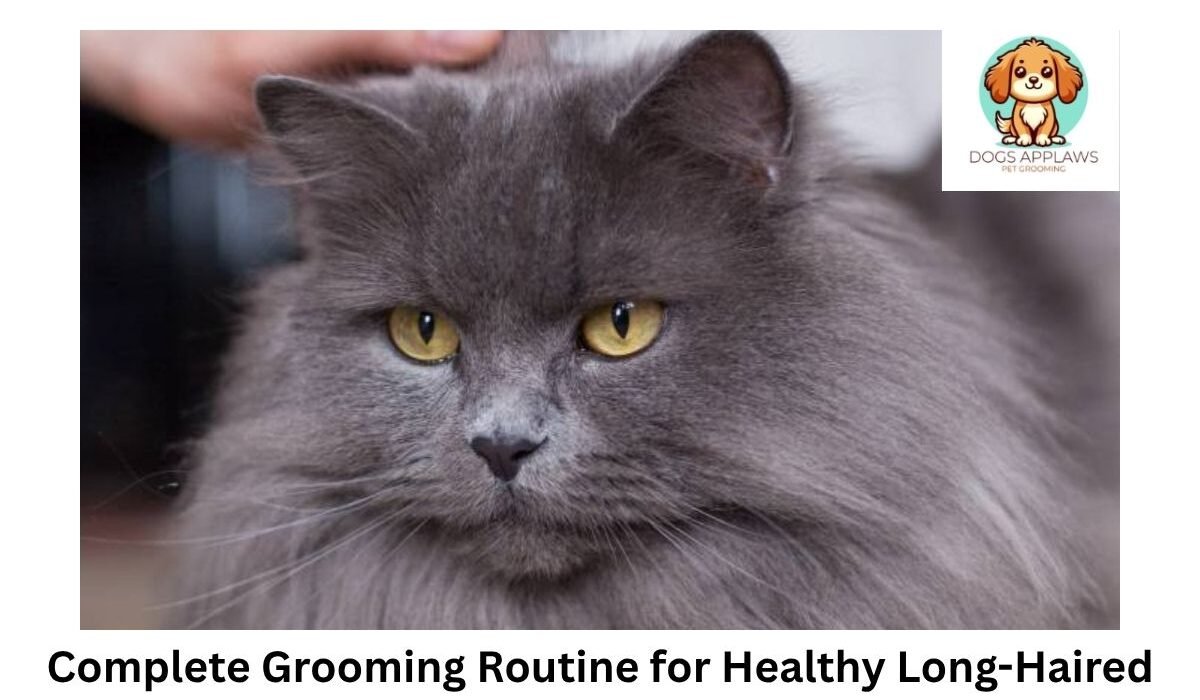
Complete Grooming Routine for Healthy Long-Haired Cats
Long-haired cats are undeniably beautiful. Their silky coats, fluffy tails, and majestic appearance make them stand out in any home. However, behind that gorgeous fur is a grooming routine that requires consistency, patience, and the right techniques. Unlike short-haired breeds, long-haired cats need regular coat maintenance to stay comfortable and healthy. Without proper care, their coats can quickly develop painful mats, excessive shedding, skin irritation, and even hidden health problems.
If you’re wondering how to groom a long-haired cat, you’re in the right place. Whether you’re caring for a Persian, Maine Coon, Ragdoll, Norwegian Forest Cat, or any other fluffy feline, this complete guide will help you create a grooming routine that keeps your cat’s coat clean, soft, and tangle-free.
The good news is that grooming doesn’t have to become a daily struggle. Once your cat becomes familiar with the routine, grooming sessions often become a relaxing bonding experience. Throughout this guide, you’ll learn professional yet practical techniques for grooming a long-haired cat, choosing the right grooming tools, preventing mats, managing shedding, and keeping your cat healthy from nose to tail. You’ll also discover expert cat grooming tips that many pet owners overlook, helping your feline friend enjoy a happier, healthier life.
If you’re looking for additional pet care resources, visit Dogs Applaws Pet Grooming and explore more detailed cat grooming guides.
Why Long-Haired Cats Need a Regular Grooming Routine
Long-haired cats have much thicker and denser coats than short-haired breeds. While they naturally groom themselves, their tongues cannot always remove loose hair buried deep inside the undercoat. As a result, dead hair builds up, creating tangles that eventually become painful mats.
Regular grooming of long-haired cats prevents these issues before they become serious. More importantly, consistent grooming allows you to notice skin infections, fleas, ticks, wounds, unusual lumps, or coat changes early enough for veterinary care.
A healthy grooming routine also offers several benefits:
- Prevents painful mats and tangles
- Reduces excessive shedding
- Minimizes hairballs
- Keeps skin healthy
- Improves coat shine
- Boosts blood circulation
- Strengthens your bond with your cat
- Helps detect health problems early
Instead of viewing grooming as another chore, think of it as an essential part of responsible long-haired cat care.
Build the Perfect Grooming Schedule
Every long-haired cat has different grooming needs. Age, breed, activity level, and coat thickness all affect how often grooming should take place.
A consistent schedule keeps the coat manageable while preventing major grooming problems.
Daily
- Quick coat inspection
- Light cat brushing
- Remove loose hair
- Check behind ears and legs
Every 2–3 Days
- Full-body brushing
- Inspect for tangles
- Clean around the tail
- Remove debris from the coat
Weekly
- Trim nails
- Clean ears
- Wipe eyes
- Brush teeth
- Inspect paw pads
Monthly
- Evaluate coat condition
- Perform cat bathing if necessary
- Deep brushing session
- Replace worn grooming tools
Following a schedule keeps grooming easy instead of overwhelming.
Choose the Right Grooming Tools
Using the proper grooming equipment makes a huge difference. Cheap or incorrect brushes often pull on the coat, making grooming uncomfortable for your cat.
A quality grooming kit should include:
- Slicker brush
- Stainless steel grooming comb
- Wide-tooth comb
- Fine-tooth comb
- Dematting comb
- Grooming scissors with rounded tips
- Nail clippers
- Cat-safe shampoo
- Grooming wipes
- Grooming towel
Each tool serves a different purpose. For example, slicker brushes remove loose fur, while metal combs help detect hidden mats near the skin.
Investing in quality tools makes grooming long-haired cats faster, safer, and much more enjoyable.
How to Groom a Long-Haired Cat Step by Step
If you’re learning how to groom a long-haired cat, following a simple routine keeps the process calm and stress-free.
Start by choosing a quiet room without distractions. Allow your cat to relax before introducing any grooming tools.
Brush gently from the neck toward the tail. Always work with the direction of hair growth instead of pulling against it.
Continue brushing these areas carefully:
- Neck
- Chest
- Belly
- Legs
- Tail
- Behind the ears
- Under the front legs
- Around the hindquarters
After brushing, use a stainless steel comb to check for hidden tangles.
Finally, reward your cat with praise, affection, or a favorite treat. Positive reinforcement helps your cat associate grooming with something enjoyable.
Cat Brushing Techniques That Prevent Mats
Daily cat brushing is the foundation of excellent cat coat care. Even five to ten minutes each day dramatically reduces tangles.
Instead of rushing through the coat, divide the body into smaller sections.
Brush in this order:
- Neck
- Shoulders
- Back
- Sides
- Belly
- Legs
- Tail
Next, use a metal comb to ensure the brush reached the undercoat.
Regular brushing offers several advantages:
- Removes loose fur
- Prevents knots
- Reduces hairballs
- Improves circulation
- Distributes natural oils
- Keeps the coat shiny
- Encourages healthy skin
Consistency always produces better results than occasional long grooming sessions.
Safe Cat Mat Removal Without Hurting Your Pet
Mats are one of the biggest challenges in long-haired cat care. Once they tighten against the skin, they become painful and may trap dirt, moisture, and bacteria.
Small tangles can often be loosened with your fingers before using a dematting comb.
For safer cat mat removal, remember these tips:
- Never pull on the mat.
- Hold the fur near the skin.
- Work slowly.
- Separate the mat into smaller pieces.
- Use short comb strokes.
- Stop if your cat becomes uncomfortable.
Avoid cutting mats with regular household scissors, as it’s very easy to cut your cat’s skin accidentally.
If mats are large or close to the skin, consult a professional groomer or veterinarian.
Cat Bathing the Right Way
Many owners assume every long-haired cat needs frequent baths. In reality, healthy indoor cats rarely require regular bathing.
However, cat bathing becomes helpful when your cat has:
- Greasy fur
- Heavy dirt
- Flea treatment residue
- Skin medication
- Strong odors
- Severe shedding
Before bathing, brush thoroughly to remove tangles.
Use warm, not hot, water and a cat-safe shampoo.
After rinsing completely:
- Wrap your cat in a soft towel.
- Gently remove excess water.
- Use a low-heat pet dryer if your cat tolerates it.
- Brush again once the coat is dry.
A fully dried coat prevents new mats from forming.
Cat Shedding Control and Coat Care Tips
Although long-haired cats naturally shed throughout the year, seasonal changes often increase shedding.
Fortunately, effective cat shedding control doesn’t require complicated methods.
These simple habits make a noticeable difference:
- Brush consistently.
- Feed a balanced diet.
- Provide fresh water daily.
- Use omega-3 fatty acids if recommended by your veterinarian.
- Keep your home humidity balanced.
- Reduce stress.
- Schedule regular health checkups.
Proper cat coat care begins from the inside. Healthy nutrition supports stronger hair follicles and healthier skin, resulting in less shedding over time.
Common Grooming Mistakes to Avoid
Even loving cat owners sometimes make grooming mistakes that cause unnecessary stress.
Avoid these common errors:
- Brushing too aggressively
- Ignoring small tangles
- Skipping regular grooming sessions
- Using human shampoo
- Pulling on mats
- Bathing too frequently
- Forgetting nail trims
- Ignoring ear cleaning
- Rushing the process
- Grooming an anxious cat without breaks
Correcting these habits makes grooming much easier for both you and your cat.
Final Thoughts
A beautiful coat doesn’t happen by accident. It comes from consistency, patience, and proper care. Whether you’re just beginning or improving your current routine, following these grooming practices will keep your feline friend healthy, comfortable, and looking their absolute best.
Remember that grooming a long-haired cat is much more than maintaining appearance. Regular grooming protects your cat’s skin, reduces painful mats, minimizes shedding, decreases hairballs, and creates valuable bonding moments between you and your pet.
Start with short sessions, stay patient, and build a routine your cat can trust. Over time, grooming will become one of the most rewarding parts of caring for your beloved companion.
FAQs
1. How often should I brush my long-haired cat?
Most long-haired cats benefit from daily brushing. At a minimum, brush three to four times each week to prevent tangles and mats.
2. How do I remove mats safely?
Start by gently separating small mats with your fingers before using a dematting comb. Never pull forcefully or use regular scissors close to the skin.
3. Do long-haired cats need regular baths?
Not usually. Healthy indoor cats only need occasional baths unless they become especially dirty, greasy, or require medicated shampoo.
4. What is the best brush for long-haired cats?
A slicker brush paired with a stainless steel comb provides the best combination for removing loose hair and detecting hidden tangles.
5. How can I reduce shedding naturally?
Daily brushing, proper nutrition, hydration, and regular veterinary checkups all help control cat shedding.