
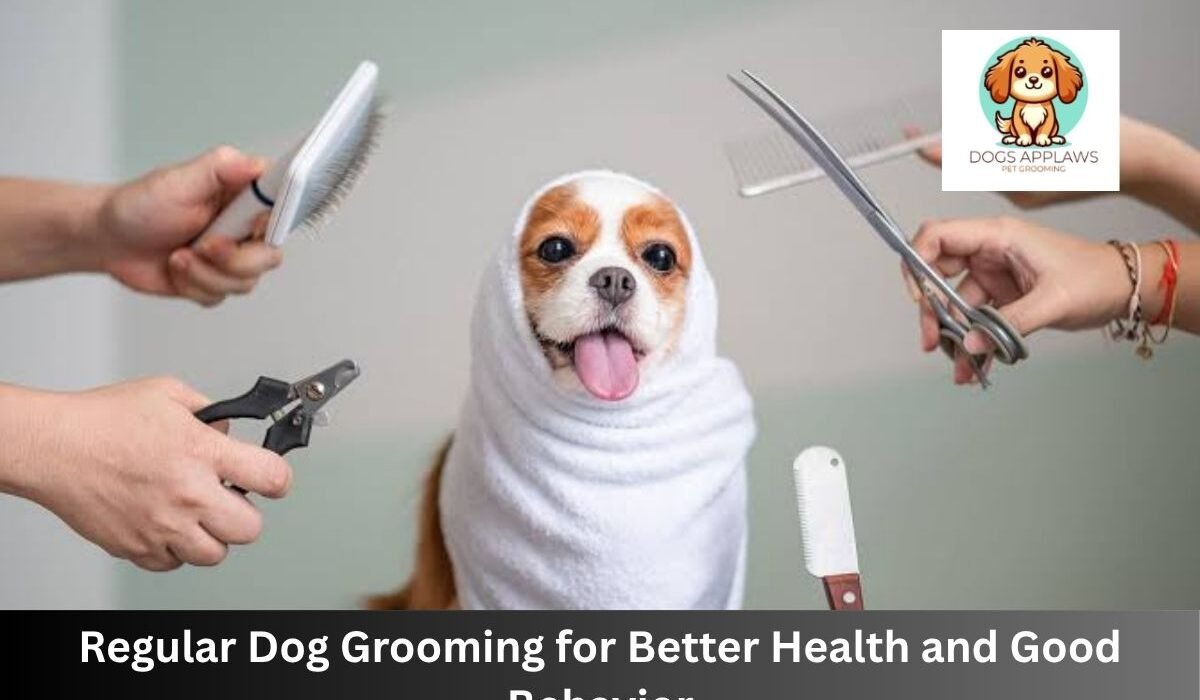
Regular Dog Grooming for Better Health and Good Behavior
Dogs bring happiness, loyalty, and endless love into our lives. As pet parents, we do everything we can to keep them healthy, active, and comfortable. We focus on quality food, daily exercise, regular vet visits, and plenty of affection. However, one important part of dog care is often underestimated: regular grooming. Many people think grooming is only about making a dog look clean and beautiful. In reality, it plays a much bigger role in your dog’s physical health, emotional well-being, and overall behavior.
A well-groomed dog is usually a happier and healthier dog. Brushing removes loose hair and dirt, bathing keeps the skin fresh, nail trimming prevents painful movement, and ear cleaning reduces the risk of infections. At the same time, grooming helps dogs feel more relaxed and comfortable, making them less anxious and easier to handle. Whether you groom your dog at home or use a professional groomer, creating a consistent routine can significantly improve your pet’s quality of life. Let’s explore why regular dog grooming should be an essential part of every dog’s care routine.
Why Regular Grooming Is More Than Just Looking Good
Every grooming session offers much more than a shiny coat. Grooming allows you to inspect your dog’s body closely and identify small health concerns before they become serious. Lumps, skin irritation, fleas, ticks, cuts, or unusual changes are easier to notice during grooming than during everyday play.
Besides physical health, grooming creates trust between you and your dog. Gentle brushing and calm handling help dogs become comfortable with being touched. As a result, veterinary visits, nail trims, and other necessary care become much less stressful.
Some of the biggest dog grooming benefits include:
- Cleaner and healthier skin
- Reduced shedding around the home
- Fewer painful mats and tangles
- Better circulation through brushing
- Early detection of skin problems
- Lower risk of ear infections
- Stronger bond with your dog
- Improved comfort during every season
The Health Benefits of Full Grooming Every Dog Needs
One of the greatest benefits of full grooming is its impact on overall health. A complete grooming service does far more than clean your dog’s fur. It includes bathing, brushing, nail trimming, ear cleaning, sanitary trimming, and coat inspection, giving your pet complete care from head to tail.
Healthy skin begins with proper grooming. Dirt, dead skin cells, excess oil, and allergens build up over time. Without regular cleaning, these can lead to itching, infections, and unpleasant odors. Routine full grooming prevents these problems from becoming serious.
Additional pet grooming benefits include:
- Healthier skin and coat
- Better blood circulation
- Reduced parasite infestations
- Cleaner paws
- Improved nail health
- Comfortable movement
- Better hygiene
- Lower chance of skin infections
For dogs with thick or double coats, full pet grooming also prevents painful matting that pulls on the skin and limits airflow.
How Grooming Improves Your Dog’s Behavior
Behavior and grooming are more connected than many owners realize. Dogs experiencing discomfort often become irritable, restless, or anxious. Long nails can make walking painful. Matted fur constantly pulls at the skin. Dirty ears may itch, causing frustration.
When these problems disappear, many dogs naturally become calmer and friendlier. Comfortable dogs are more willing to play, socialize, and enjoy daily activities.
Regular grooming also teaches patience and cooperation. Puppies that begin grooming early become accustomed to handling throughout adulthood. This makes nail trimming, bathing, veterinary exams, and even travel much easier.
Behavioral improvements often include:
- Less anxiety
- Better socialization
- Reduced scratching
- Increased confidence
- Easier handling
- More relaxed body language
- Better cooperation during vet visits
Professional Grooming vs. Grooming at Home
Many dog owners wonder whether home grooming is enough. The answer depends on your dog’s breed, coat type, lifestyle, and grooming needs. Home care is excellent for routine brushing and basic maintenance, but professional grooming provides specialized care that most owners cannot easily perform.
Professional groomers understand different coat textures, skin sensitivities, and breed-specific grooming techniques. They use professional tools designed to safely remove mats, trim nails correctly, clean ears thoroughly, and maintain coat health.
A combination of home care and professional grooming usually provides the best results.
At home, you can:
- Brush several times each week
- Wipe dirty paws
- Check ears
- Remove loose fur
- Monitor skin changes
- Clean facial folds when needed
Professional grooming services can provide:
- Deep bathing
- Complete coat trimming
- Safe nail grinding
- Ear cleaning
- Sanitary trimming
- Breed-specific styling
- Full health inspection
Building the Right Grooming Routine for Every Breed
Not every dog requires the same grooming schedule. Coat length, activity level, age, and breed all affect how often grooming is needed.
Long-haired breeds generally require daily brushing to prevent mats. Short-haired dogs may only need brushing once or twice each week. Highly active outdoor dogs often benefit from more frequent bathing than indoor pets.
A healthy grooming schedule may include:
- Daily brushing for long coats
- Weekly brushing for short coats
- Nail trimming every 3–4 weeks
- Ear cleaning every few weeks
- Bathing every 4–8 weeks
- Professional appointments every 6–8 weeks
Consistency is far more important than frequency. Regularly scheduled grooming sessions are usually better than waiting until problems appear.
Pet Coat Care: The Secret to Long-Term Health
Pet coat care directly affects your dog’s comfort throughout the year. During winter, healthy coats provide insulation. During summer, properly maintained coats help regulate body temperature more effectively.
Neglected coats trap moisture, dirt, parasites, and bacteria. Over time, mats become tighter and may even hide wounds or skin infections. Brushing regularly distributes natural skin oils, giving the coat a healthy shine while reducing tangles.
Proper grooming for dogs supports:
- Healthier skin
- Better temperature regulation
- Reduced shedding
- Cleaner living spaces
- Improved circulation
- Less itching
- Stronger coat growth
- Greater overall comfort
If your dog has sensitive skin, always choose gentle shampoos recommended by your veterinarian or groomer.
Signs Your Dog Needs Full Grooming
Dogs often show clear signs when they need grooming. Unfortunately, many owners don’t recognize them until the condition worsens.
Watch carefully for physical and behavioral changes that may indicate your dog needs a complete grooming service.
Common warning signs include:
- Strong body odor
- Excessive scratching
- Tangled or matted fur
- Long nails clicking on floors
- Dirty ears
- Tear stains
- Greasy coat
- Excessive shedding
- Visible fleas or ticks
- Irritability during handling
Addressing these signs early prevents discomfort and reduces future grooming challenges.
Make Grooming a Positive Experience
Grooming should never feel like a punishment. Instead, it should become a calm routine your dog learns to enjoy. Begin slowly, especially with puppies or rescue dogs unfamiliar with grooming.
Reward calm behavior with treats, praise, and patience. Keep sessions short at first and gradually increase the duration as your dog becomes more comfortable.
Helpful ways to create positive grooming experiences include:
- Start grooming early in puppyhood.
- Use positive reinforcement.
- Keep grooming tools clean.
- Groom your dog after exercise, when your dog is calmer.
- Speak in a gentle voice.
- Take breaks when necessary.
- End every session with praise and rewards.
Positive experiences build trust that lasts for life.
Final Thoughts
Regular grooming is one of the simplest yet most valuable investments you can make in your dog’s overall health and happiness. Beyond keeping your pet looking great, grooming supports healthy skin, reduces discomfort, prevents common health problems, and encourages better behavior. Whether you perform basic care at home or schedule regular professional grooming appointments, consistency makes all the difference.
The long-term benefits of full grooming extend far beyond appearance. A healthy coat, clean ears, trimmed nails, and regular inspections help your dog stay active, confident, and comfortable every day. By making grooming a regular habit, you’re giving your best friend a healthier life and strengthening the bond you share.
If you’d like to learn more about full grooming, visit the full grooming services page. You can also explore how full grooming keeps dogs healthy and comfortable to discover how regular grooming supports long-term wellness. For more dog care tips and expert advice, visit Dogs Applaws Pet Grooming.
FAQs
1. How often should my dog receive full grooming?
Most dogs benefit from full grooming every 6–8 weeks. However, long-haired breeds or dogs with high-maintenance coats may need appointments every 4–6 weeks.
2. Is professional grooming necessary if I groom my dog at home?
Yes. Home grooming helps maintain cleanliness, but professional grooming provides deep cleaning, safe nail care, coat trimming, ear cleaning, and early health inspections that are difficult to perform at home.
3. What are the biggest benefits of full grooming?
The biggest benefits include healthier skin, cleaner coats, reduced shedding, fewer mats, improved comfort, better hygiene, early detection of health issues, and improved behavior.
4. Does grooming reduce shedding?
Yes. Regular brushing and full pet grooming remove loose hair before it falls around your home, making shedding much easier to manage.
5. Can grooming improve my dog’s behavior?
Absolutely. Dogs that feel clean and comfortable are generally less anxious, less irritated, and easier to handle. Regular grooming also helps dogs become comfortable with routine handling.