How to Prevent Matted Fur in Pets This Fall
How to Prevent Matted Fur in Pets This Fall
As the fall season sets in across Kittery and the surrounding communities, pet owners often notice changes in their dog’s or cat’s coat. Cool, damp weather, increased time indoors, and thicker seasonal undercoats can all contribute to a higher risk of matted fur. For many pets, especially those with longer or double coats, autumn is a time when tangles can quickly become painful mats if not addressed promptly. At Dogs Applaws Pet Grooming, located at 22 Litchfield Rd, Kittery, ME 03904, our team of experienced groomers is passionate about helping your pets stay comfortable and happy all season long. In this guide, we’ll explain why matted fur is such a common issue in fall, how to spot the warning signs, what causes mats to form, and most importantly, how you can prevent them with both home care and professional grooming services. We’ll also share when it’s best to schedule an appointment with our grooming professionals to ensure your pet’s coat stays healthy and mat-free.
Recognizing Matted Fur: Signs Your Dog or Cat Needs Attention
Matted fur can be more than just a cosmetic issue; it can lead to discomfort, skin irritation, and even infection if left untreated. Knowing the early signs helps you catch mats before they become severe. Common indicators include clumps of tangled hair that feel firm or lumpy when you run your fingers through your pet’s coat. You may also notice your dog or cat scratching, biting, or licking certain areas more than usual. Sensitive spots, particularly behind the ears, under the collar, around the armpits, and along the back legs, are frequent locations for mats to develop. In some cases, you might see reddened skin, swelling, or even a slight odor—signs that trapped moisture and debris are causing irritation beneath the mat. For cats, reluctance to groom themselves or changes in behavior like hiding or avoiding being touched could suggest discomfort from mats. If your pet’s coat feels uneven or you notice dull, clumped hair, these are strong indicators that matting is beginning to take hold.
Why Do Pets Get Matted Fur in the Fall?
Understanding the reasons behind increased matting in autumn can help you take proactive steps. As temperatures drop, many pets grow a thicker undercoat to stay warm. This added insulation, while helpful for comfort, sheds in small amounts and can become trapped in the topcoat if not brushed out regularly. Damp weather and mud from outdoor walks add to the challenge, as moisture causes fur to clump together—especially after a romp in wet leaves or a stroll on dewy grass. Indoor heating can also dry out skin and fur, making hair more prone to static and tangling. For long-haired breeds or those with curly coats, the risk of matting is even higher due to the natural texture of their fur. Cats that spend time outdoors may also pick up burrs, twigs, or other debris that contribute to knots. Finally, changes in routine—such as spending more time indoors or wearing sweaters and harnesses—can rub and twist hair, creating prime conditions for mats to form.
Professional Grooming Solutions for Matted Fur
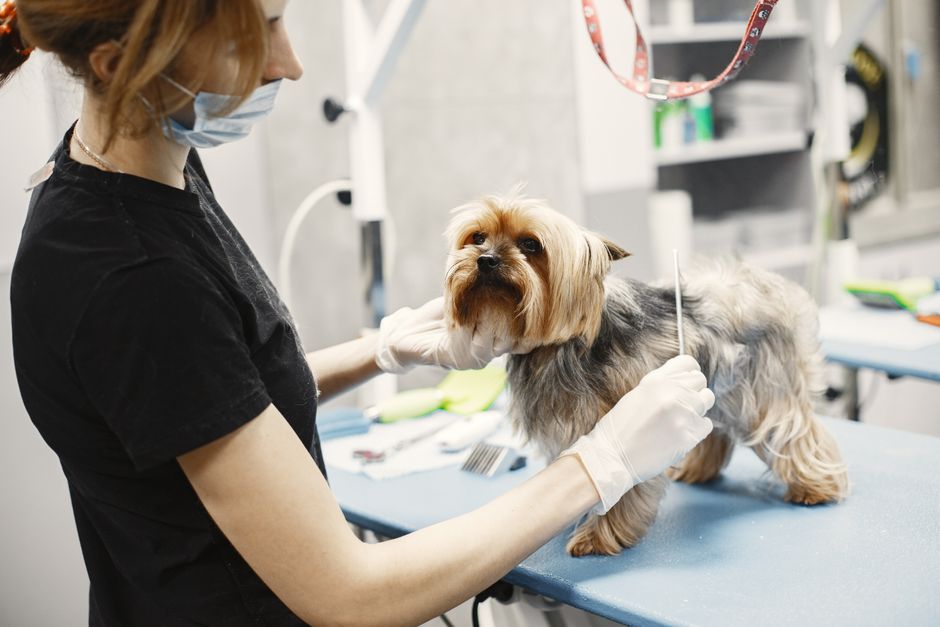
When mats become too dense or widespread, home brushing may not be enough. That’s where professional grooming steps in to make a real difference. At Dogs Applaws Pet Grooming, our team is trained to handle mats gently and safely, using specialized tools and techniques that minimize stress for your pet. Depending on the severity, our groomers may recommend a bath and brush service, which includes a deep-cleaning wash, blowout, and thorough brush-out to loosen and remove dead hair and minor tangles. For cats, our cat brushout service is designed specifically to address feline shedding and mat prevention. If your pet’s coat requires a more intensive approach, a full service grooming session will address mats head to tail, trimming where necessary to restore comfort and coat health. Our groomers also offer mini grooms for maintenance between larger appointments, which can target trouble spots before mats have a chance to develop further. In every session, the focus is on your pet’s comfort, safety, and overall well-being.
Preventing Mats at Home: Daily and Weekly Care Tips
Consistent home grooming is the best line of defense against matting, especially during the fall months. Brushing your dog or cat several times a week—or even daily for longer coats—helps remove loose hair before it can tangle. Tools such as slicker brushes, undercoat rakes, or wide-toothed combs are useful depending on your pet’s coat type. Start by gently working through small sections, paying special attention to high-friction areas like behind the ears, under the collar, and around the legs. For cats, regular brushouts are especially helpful for those who shed heavily or have difficulty grooming themselves. If you’re unsure which technique or tool is best, our groomers are happy to demonstrate the process during your next visit. Incorporating regular deshedding treatments can also make a significant difference, particularly for breeds that blow their coats in fall. Bathing your pet as needed, using a moisturizing shampoo, and making sure they are thoroughly dried afterward further reduces the risk of mats. Finally, keeping your pet’s coat trimmed—whether with professional grooming or at-home maintenance—can help prevent longer hairs from twisting and tangling.
When to Schedule Professional Grooming for Matt Prevention
Even with the best home care, some pets are simply more prone to matting due to their coat type, activity level, or age. If you notice tangles that you cannot brush out, areas of the coat that feel hard or tight to the touch, or if your pet shows signs of discomfort when you try to groom them, it’s time to seek professional help. Attempting to cut or shave mats at home can risk injuring your pet’s skin, so it’s always safest to leave this to experienced groomers. Scheduling regular grooming appointments every four to eight weeks—especially during the fall and winter—ensures mats don’t have a chance to take hold. Our team at Dogs Applaws Pet Grooming can assess your pet’s coat and recommend a schedule that fits their specific needs. In addition to full grooming, our mini grooms offer quick touch-ups that can keep problem areas under control between larger sessions. If you have a cat that’s resistant to brushing or a dog with a particularly thick or curly coat, don’t hesitate to reach out for guidance or to book an appointment.
Supporting Your Pet’s Comfort and Health This Fall
The fall season in Kittery brings beautiful scenery and crisp air, but it also presents unique challenges for keeping your pet’s coat healthy and free of mats. By recognizing the early signs of matting, understanding what causes tangles to form, and taking proactive steps at home, you can help your dog or cat stay comfortable all season long. When extra help is needed, Dogs Applaws Pet Grooming is here to support you with professional services tailored to your pet’s unique needs. Whether you’re looking for a thorough bath and brush service, a targeted deshedding treatment, or a full grooming session, our caring team is ready to help your pet look and feel their best.
If you’re searching for a veterinarian near me who truly understands the grooming needs of your pet this fall, look no further than our experienced team at Dogs Applaws. We invite you to schedule an appointment by calling (207) 475-8714 or by visiting our salon at 22 Litchfield Rd, Kittery, ME 03904. Our grooming professionals are committed to providing a safe, loving environment and personalized care for every pet. Let us help keep your dog or cat happy, healthy, and mat-free throughout the autumn months and beyond.
This blog is for informational purposes only and is not a substitute for professional veterinary advice. If you are concerned about your pet’s health or coat condition, please consult with your veterinarian or a professional groomer.