Why Is My Dog Scooting? Anal Gland Expression Explained
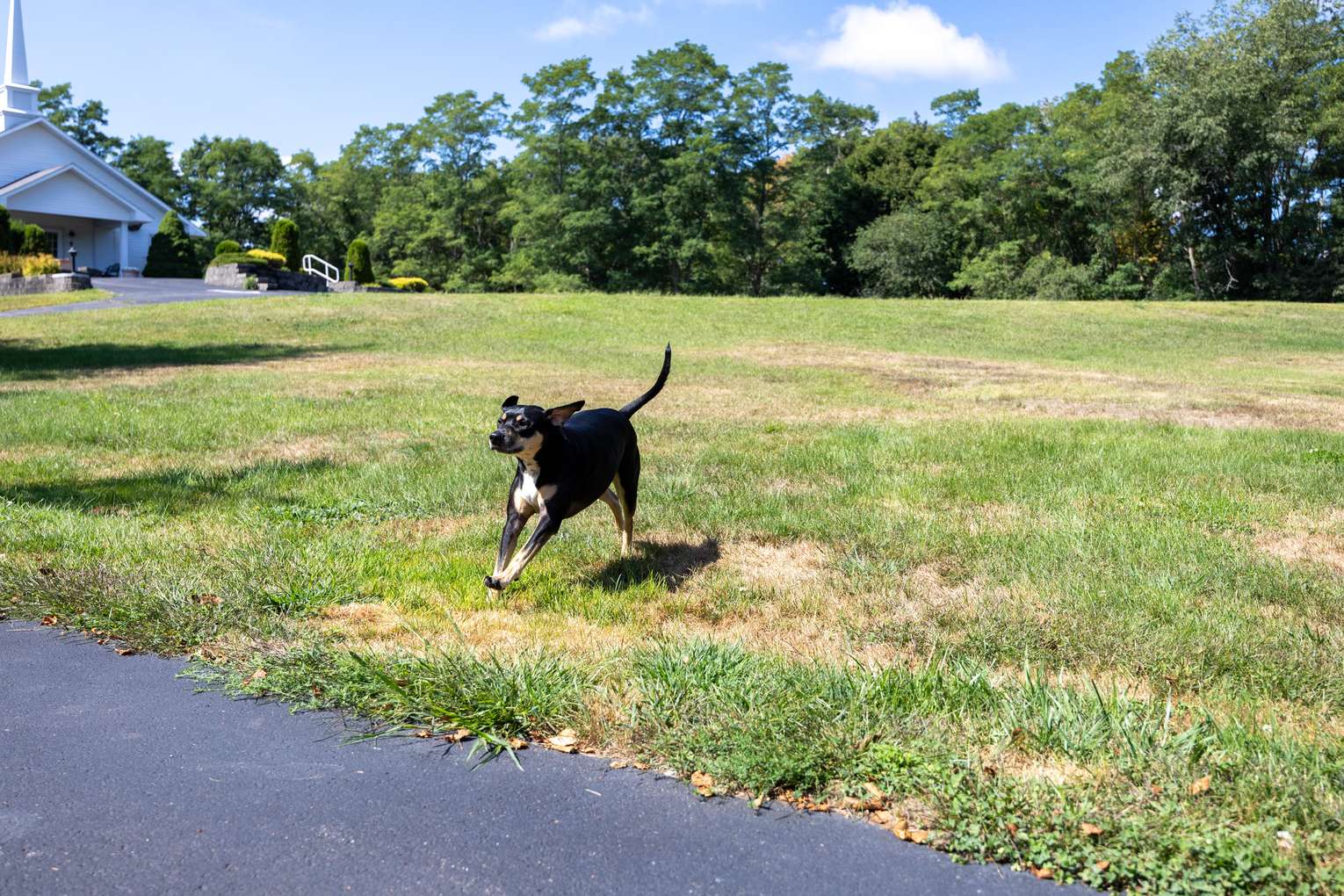
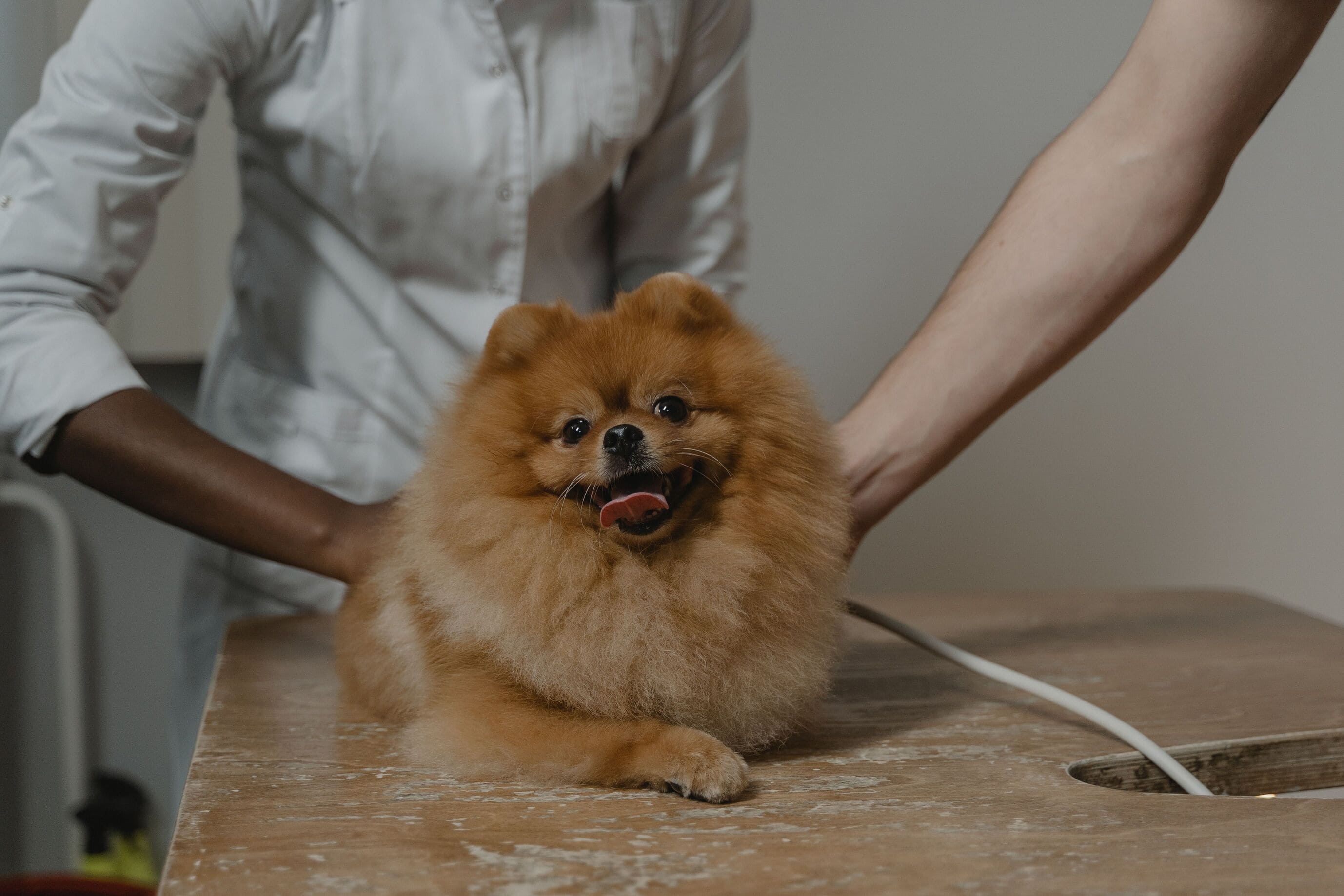
Have you just watched your dog drag their bottom across your favorite rug? Scooting can look funny, but it usually means something back there is uncomfortable. One of the most common causes is full or irritated anal glands. The good news is that the fix is often quick.
It's not the most glamorous topic, but understanding anal glands can save your pet from discomfort and save you from a few unpleasant odors. Here's what you need to know.
What Are Anal Glands?
Anal glands, also called anal sacs, are two small glands just inside your pet's rear end, at about the four o'clock and eight o'clock positions. They hold a strong-smelling fluid that works like a scent marker. It's one reason dogs sniff each other when they meet.
Normally, the glands empty a little each time your pet has a bowel movement. Sometimes they don't empty fully, and the fluid builds up and thickens. When that happens, the glands can become uncomfortable, impacted, or even infected.
Signs Your Pet's Anal Glands Need Attention
- Scooting or dragging their rear across the floor
- Licking or biting at the base of the tail or rear end
- A strong, fishy odor that seems to come from nowhere
- Discomfort when sitting or reluctance to have their tail touched
- Chasing or looking at their tail more than usual
Scooting can also be caused by allergies, parasites, or skin irritation, so if expressing the glands doesn't help, talk to your veterinarian.
Which Pets Are Most Prone to Anal Gland Issues?
Any dog or cat can have anal gland trouble, but it's more common in:
- Small-breed dogs such as Chihuahuas, Shih Tzus, Toy Poodles, and Beagles
- Pets with allergies, since inflammation can affect how the glands drain
- Overweight pets, whose glands may not empty as easily
- Pets with frequently soft stools, because firm stools help the glands empty naturally
If your pet has needed gland care before, they'll probably need it again. Adding it to their regular grooming routine is an easy way to stay ahead of problems.
What Happens During Anal Gland Expression
At Dogs Applaws, anal gland expression is a quick add-on that can be included with any grooming visit:
- A quick health check. We look for swelling, redness, or signs of discomfort around the area first.
- Gentle external expression. Wearing clean gloves, we apply gentle pressure from the outside to empty the glands. The process takes only a moment.
- Cleanup. We clean the area thoroughly so your pet leaves fresh and comfortable.
- Recommendations. We let you know what we noticed and suggest how often your pet may need this service.
Anal gland expression is $10 as an add-on. Many families pair it with a bath and brush or full-service grooming, since the bath takes care of any lingering odor. Learn more on our anal gland expression page.
When to See a Veterinarian
Grooming-level gland expression is meant for routine maintenance. Call your veterinarian if you notice:
- Swelling or a lump near the rear end
- Blood or pus in the area or in the gland fluid
- An open sore or wound near the anus
- Significant pain, crying, or reluctance to sit
- Scooting that continues after the glands have been expressed
These can be signs of an infection or abscess that needs medical treatment. If we notice any of these during an appointment, we'll stop and recommend a veterinary visit.
Do All Pets Need Their Glands Expressed?
No. Many pets go their whole lives without needing help, and expressing healthy glands that empty on their own isn't necessary. The best approach is to watch for signs and act when they show up. For pets with a history of gland problems, regular expression every four to eight weeks, often timed with their grooming visit, can keep them comfortable.
Helping Your Pet's Glands Stay Healthy
- Support firm, regular stools. Ask your veterinarian whether added fiber in your pet's diet could help.
- Keep your pet at a healthy weight. Regular exercise supports good digestion and gland function.
- Manage allergies. Work with your veterinarian if your pet has itchy skin or ears along with scooting.
- Stay on a grooming schedule. Regular visits give our team a chance to spot problems early.
Relief in a Few Minutes
If your pet is scooting, licking, or leaving a fishy smell behind, a $10 anal gland expression often brings fast relief. Pair it with a bath and your pet goes home fresh and comfortable.
Book an Anal Gland Expression →
Prefer to talk it through? Call (207) 475-8714. You can also visit us at 22 Litchfield Rd, Kittery, ME 03904, near the White Church. We are open Tuesday through Saturday, 9 AM to 6 PM, and serve Kittery, York, Portsmouth, and nearby towns.