
Signs Your Pet Needs an Ear Cleaning (and When to Call the Vet)
Is your dog shaking their head all the time? Scratching behind the same ear over and over? Leaving a funny smell on the couch cushion? Your pet's ears may be asking for help. A little wax is normal. Too much wax, trapped moisture, and debris lead to itching, odor, and infection. Routine ear cleaning is one of the simplest ways to keep your dog or cat comfortable and catch problems early.
Here's how to tell when your pet's ears need attention, which pets are most at risk, and when it's time to involve your veterinarian.
Common Signs Your Pet Needs an Ear Cleaning
Pets can't tell us their ears feel uncomfortable, but their behavior usually does. Watch for:
- Frequent scratching at the ears or the side of the head
- Head shaking or tilting, especially right after waking up or coming inside
- An unpleasant odor coming from the ears
- Visible wax or debris in the outer ear or ear canal
- Rubbing the head on furniture, carpet, or the floor
If you notice one or two of these, a gentle professional cleaning may be all your pet needs. If symptoms are strong or don't go away, read the next section.
When to Call Your Veterinarian Instead
Some ear symptoms point to an infection, ear mites, allergies, or an injury that needs medical treatment. Contact your veterinarian if you see:
- Redness, swelling, or heat in the ear
- Discharge that's dark, yellow, or bloody
- A strong, sour, or yeasty smell
- Pain when the ear or head is touched
- Loss of balance, circling, or a constant head tilt
Our grooming team checks every ear before cleaning. If we see signs of infection, we won't clean the ear. We'll let you know what we noticed and recommend a veterinary visit, because cleaning an infected ear can make it more painful.
Which Pets Are Most Prone to Ear Problems?
Dogs With Floppy Ears
Cocker Spaniels, Basset Hounds, Golden Retrievers, Labradors, and other breeds with heavy, hanging ears have less airflow into the ear canal. Warm, dark, damp ears make it easy for yeast and bacteria to grow.
Dogs With Hair in the Ear Canal
Poodles, Doodles, Shih Tzus, Schnauzers, and similar breeds often grow hair inside the ear canal. That hair can trap wax and moisture.
Swimmers and Outdoor Pets
Dogs that swim at the beach or play in wet grass and woods around Kittery and York can end up with water and debris in their ears. Cleaning after active seasons helps prevent problems.
Pets With Allergies
Seasonal and food allergies often show up in the ears first. Pets with allergies may need ear care more often, along with guidance from their veterinarian.
Cats
Most cats keep their ears fairly clean, but senior cats, long-haired cats, and cats that have had ear mites in the past can benefit from routine checks and gentle cleaning.
What Happens During a Professional Ear Cleaning
At Dogs Applaws, ear cleaning is a quick, gentle add-on that fits into any grooming visit:
- Visual check. We look for redness, swelling, odor, or discharge before doing anything else.
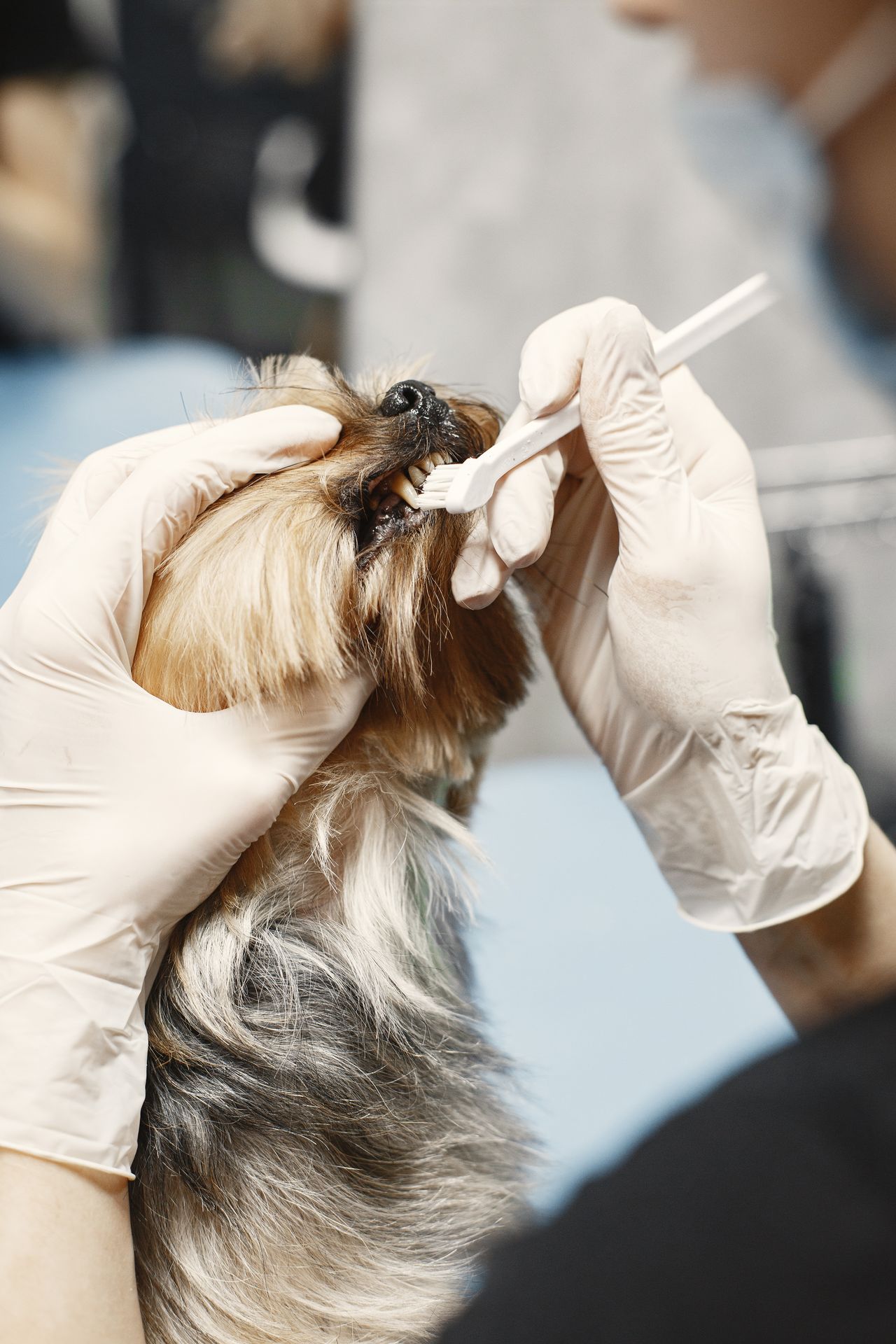
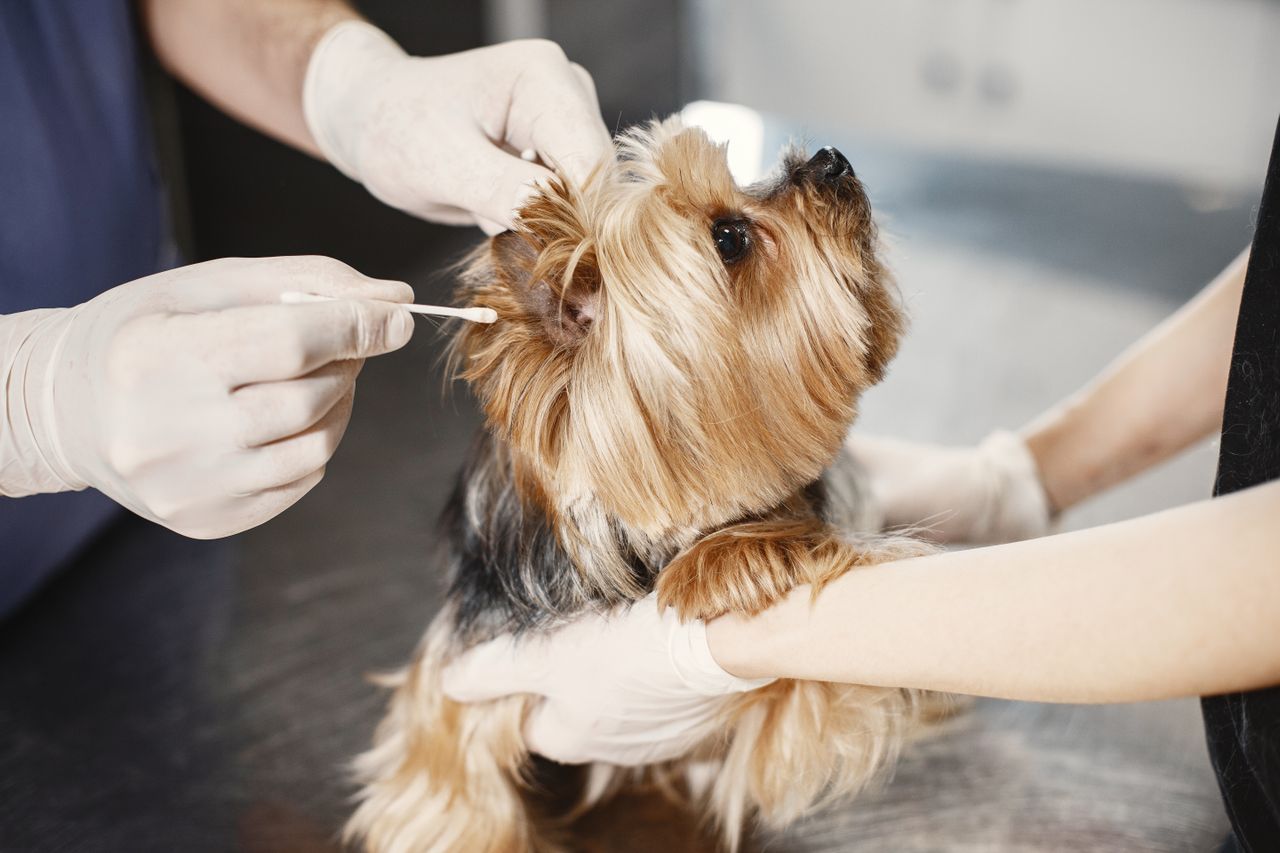
- Gentle cleaning. We use a pet-safe ear cleaning solution and soft materials to remove wax and debris from the outer ear and the visible part of the canal. We never push anything deep into the ear.
- Watching for early warning signs. If we notice signs of mites or irritation, we tell you right away.
- Aftercare tips. We share simple ways to keep your pet's ears healthy between visits.
Ear cleaning usually takes just a few minutes and pairs well with a bath and brush or full-service grooming. Learn more on our ear cleaning service page.
How Often Should Ears Be Cleaned?
It depends on your pet. Many dogs do well with an ear cleaning at each grooming visit, usually every four to eight weeks. Floppy-eared breeds, swimmers, and pets with allergies may need more frequent care. Cats often need it less often. Cleaning too much can irritate the ear, so it's best to follow a schedule based on your pet's needs.
Tips for Healthy Ears at Home
- Check your pet's ears once a week. Healthy ears look light pink and have little or no odor.
- Dry your dog's ears gently with a soft towel after baths and swimming.
- Use only a pet-specific ear cleaner. Avoid cotton swabs inside the ear canal.
- Keep an eye out for changes in behavior, like scratching or head shaking, and act early.
Get Ahead of Ear Trouble
Ear cleaning takes only a few minutes and fits easily into your pet's next bath or groom. Our team checks every ear first and tells you right away if anything needs a vet's attention.
Add Ear Cleaning to Your Next Groom →
Prefer to talk it through? Call (207) 475-8714. You can also visit us at 22 Litchfield Rd, Kittery, ME 03904, near the White Church. We are open Tuesday through Saturday, 9 AM to 6 PM, and serve Kittery, York, Portsmouth, and nearby towns.