
Cat Sanitary Trims: Why Long-Haired and Senior Cats Need Them

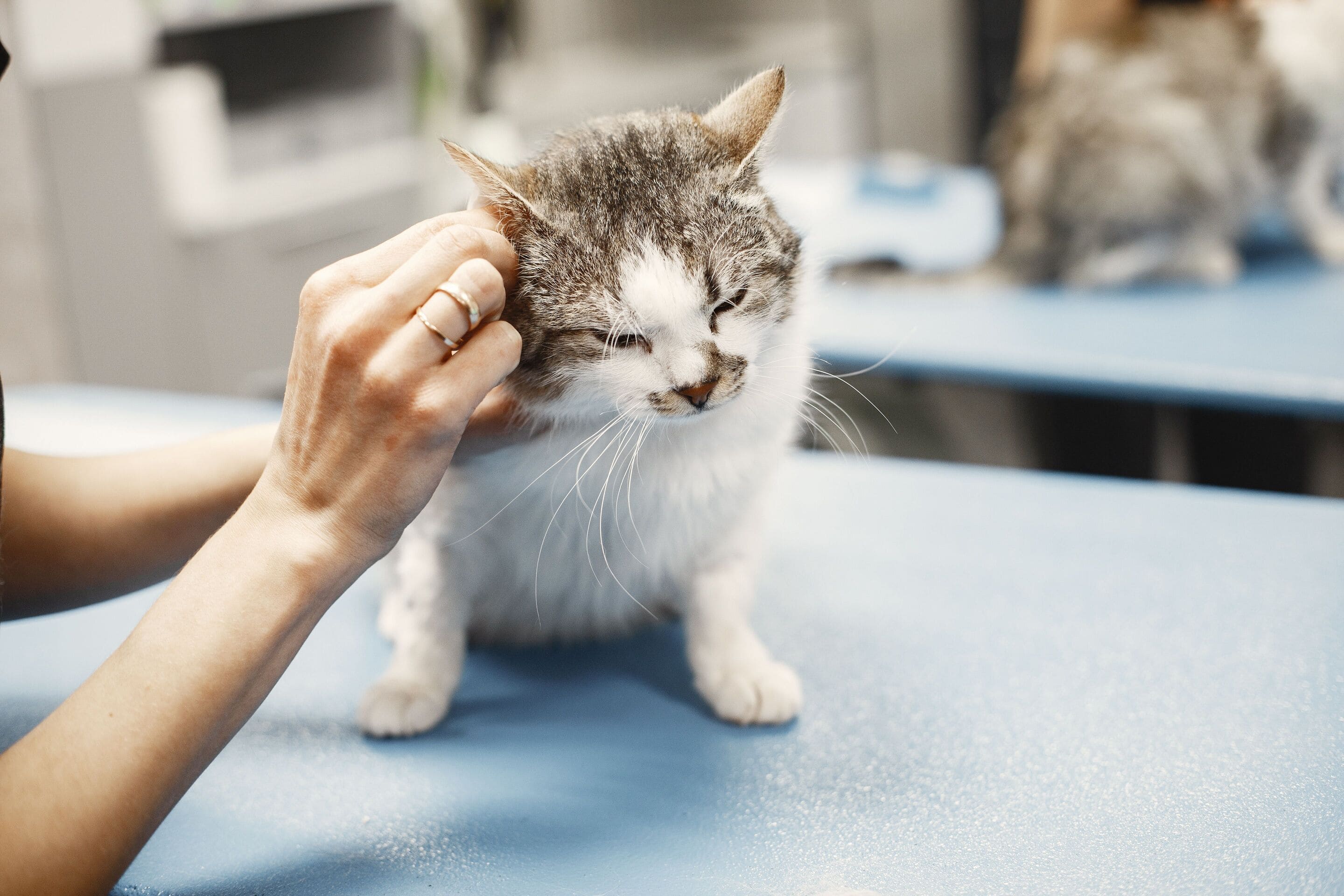
Does your cat come out of the litter box carrying some of it along? Have you noticed a smell that follows them around the house? You're not alone, and your cat isn't doing anything wrong. Long fur around the hindquarters, belly, and private areas catches litter, waste, and moisture. Over time, that leads to odor, mats, and sore, irritated skin.
A sanitary trim is a quick, focused grooming service that solves this problem. Here's what it involves, which cats benefit most, and how to tell when it's time to book.
What Is a Cat Sanitary Trim?
A sanitary trim, sometimes called a hygiene trim, means carefully trimming the fur around your cat's rear end, the back of the hind legs, the belly, and the genital area. The rest of the coat stays as it is. The goal is to keep the areas that touch the litter box short and clean, so waste and debris don't cling to the fur.
Because the skin in these areas is thin and sensitive, the trim should be done slowly and with professional tools. At Dogs Applaws, it's done one-on-one in a calm setting, with breaks whenever your cat needs them.
Which Cats Need Sanitary Trims Most?
Long-Haired Cats
Persians, Maine Coons, Himalayans, and other fluffy breeds have long "pantaloons" on the back legs that easily catch litter and waste. Even a cat that grooms well can struggle to keep up with that much fur.
Senior Cats
As cats age, stiff joints can make it harder to twist and reach their back end. Many older cats simply stop grooming those areas, and the fur quickly becomes soiled or matted.
Overweight or Less Mobile Cats
Cats carrying extra weight, or cats recovering from an injury or illness, may not be able to reach their hindquarters at all. A sanitary trim gives them dignity and comfort while they can't fully care for themselves.
Cats With Digestive Sensitivities
Cats that have soft stools from time to time benefit from shorter fur in the area, since it makes cleanup easier for both of you.
Signs Your Cat Needs a Sanitary Trim
Watch for these common signs:
- Litter or debris stuck to the fur after using the box
- A noticeable odor coming from your cat's rear end
- Matted or clumped fur around the hindquarters or belly
- Frequent licking or biting at the back end
- Your cat having trouble reaching or grooming certain areas
If you notice redness, swelling, sores, or changes in your cat's litter box habits, check in with your veterinarian. Those signs can point to a health issue that grooming alone won't fix.
What to Expect During the Appointment
A sanitary trim at Dogs Applaws follows the same calm, cat-first approach we use for every feline client:
- A gentle assessment. We learn about your cat's personality, coat, and any special needs before we begin.
- Secure, patient handling. Cats are never rushed. Anxious and senior cats get extra time and breaks.
- Precise trimming. Using sanitized professional tools, we trim the hindquarters, belly, and genital area carefully to avoid nicks and discomfort.
- A final comfort check. We make sure the area is clean and share tips for keeping it that way at home.
In-salon sanitary trims are $25, and mobile sanitary trims are $75. Prices can vary with your cat's size, coat, and condition. Visit our cat sanitary trim page for more details.
Sanitary Trim vs. Full Groom vs. Lion Cut
Not sure which service your cat needs? Here's a simple way to decide:
- Sanitary trim: The rest of the coat is in good shape, but the back end keeps getting messy.
- Full cat grooming: Your cat would benefit from an overall refresh, including brushing, bathing, and tidying.
- Lion cut: Matting is widespread, or the coat has become too difficult to maintain.
Many families add a sanitary trim to a full groom or a cat nail trim so everything is handled in one visit.
How Often Should Cats Get a Sanitary Trim?
For most long-haired cats, a sanitary trim every four to eight weeks keeps things clean and comfortable. Senior cats or cats with ongoing hygiene challenges may need visits more often. We'll suggest a schedule based on how quickly your cat's fur grows back and how often problems come up.
Keeping Your Cat Clean Between Visits
- Scoop the litter box daily so less litter sticks to the fur.
- Use unscented, low-dust litter if your cat's coat tends to catch it.
- Gently wipe the area with an unscented pet wipe if you notice a small mess.
- Brush the back legs and belly a couple of times a week to catch tangles early.
Keep Your Cat Clean and Comfortable
A $25 sanitary trim takes care of the mess so you and your cat don't have to deal with it at home. It's quick and gentle, and it's done one-on-one in a calm setting.
Prefer to talk it through? Call (207) 475-8714. You can also visit us at 22 Litchfield Rd, Kittery, ME 03904, near the White Church. We are open Tuesday through Saturday, 9 AM to 6 PM, and serve Kittery, York, Portsmouth, and nearby towns.