
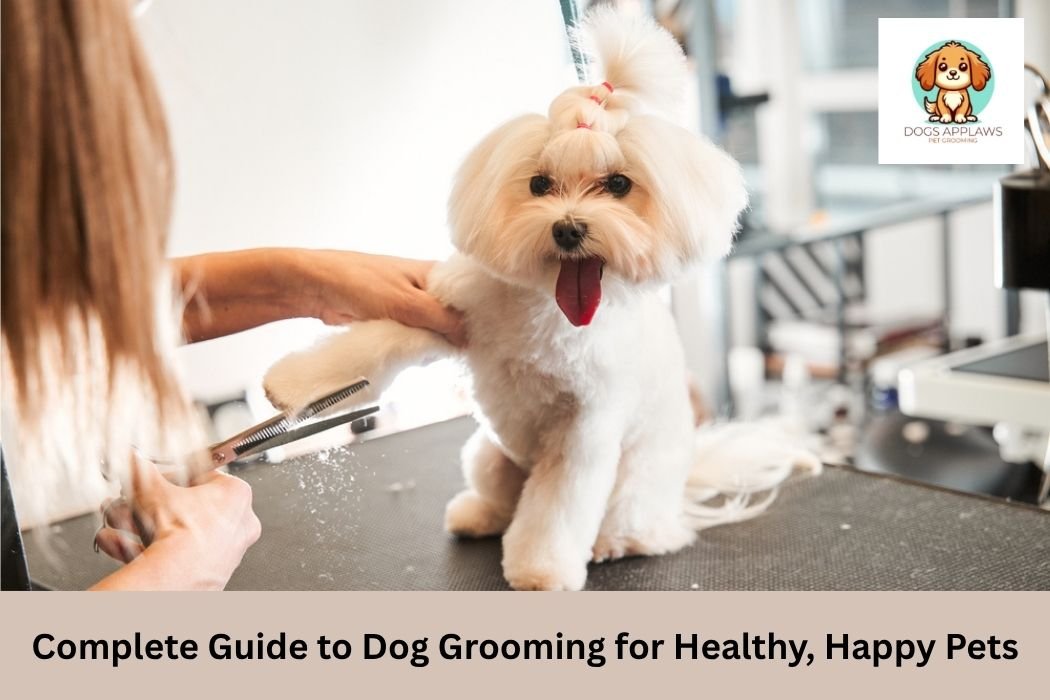
Complete Guide to Dog Grooming for Healthy, Happy Pets
Keeping your dog clean and well-groomed is about more than appearances; it directly affects their health, comfort, and overall happiness. Whether you’re a first-time pet owner or someone who has raised dogs for years, understanding proper dog grooming practices can make a real difference. After all, a well-groomed dog is not only adorable but also more energetic, confident, and free from common health issues.
Now, you might think grooming is just about bathing your dog or trimming their fur. However, there’s a lot more to it. From brushing techniques to nail care and ear cleaning, each step plays a crucial role. Moreover, grooming helps you detect early signs of skin conditions, parasites, or unusual lumps. That’s why many pet parents either learn grooming at home or rely on a professional dog groomer for expert care.
In this complete guide, you’ll discover everything you need to know, from basic routines to advanced tips, so your furry friend stays healthy, happy, and looking their absolute best.
Why Dog Grooming Matters More Than You Think
Dog grooming is not just a luxury; it’s a necessity. Regular grooming keeps your dog’s coat clean and free of tangles, preventing painful matting. Additionally, it improves blood circulation and distributes natural oils, which keep the skin healthy.
Beyond physical health, grooming also supports emotional well-being. Dogs feel more comfortable and relaxed when they are clean. In fact, a consistent grooming routine can reduce anxiety, especially if introduced during puppy grooming stages.
Here’s why grooming should never be skipped:
- Prevents skin infections and irritation
- Helps detect fleas, ticks, and lumps early
- Reduces shedding and keeps your home cleaner
- Promotes better hygiene and odor control
- Strengthens the bond between you and your pet
Building the Perfect Grooming Routine at Home
Creating a grooming routine doesn’t have to be complicated. With a little planning, you can maintain your dog’s hygiene right at home. Start by understanding your dog’s breed, coat type, and lifestyle. For example, long-haired dogs need more frequent brushing compared to short-haired breeds.
Consistency is key. Set a schedule that includes brushing, bathing, and checking ears and nails. Over time, your dog will get used to the routine, making the process smoother and stress-free.
A simple weekly grooming checklist:
- Brush coat 2–3 times per week
- Check ears for dirt or odor
- Trim nails if needed
- Inspect skin for redness or bumps
- Clean paws after outdoor walks
Brushing Basics: The Foundation of Healthy Fur
Brushing is one of the most important parts of dog grooming. It removes loose hair, dirt, and debris while preventing tangles. More importantly, it spreads natural oils across the coat, giving it a healthy shine.
Different coats require different brushes. For instance, slicker brushes work well for long-haired dogs, while bristle brushes are ideal for short coats. Choosing the right tool can make brushing more effective and comfortable for your dog.
Helpful brushing tips:
- Always brush in the direction of hair growth
- Be gentle around sensitive areas
- Start slow if your dog is new to grooming
- Reward your dog after each session
Bath Time Done Right: Keep It Clean, Not Stressful
Bathing your dog is essential, but overdoing it can strip natural oils from their skin. Typically, dogs need a bath every 4–6 weeks, though this varies depending on their activity level and coat type.
Use a dog-specific shampoo to avoid irritation. Human products can disrupt your dog’s skin pH, leading to dryness or itching. Also, make sure to rinse thoroughly, as leftover shampoo can cause discomfort.
Quick bath-time essentials:
- Use lukewarm water
- Protect ears from water entry
- Dry thoroughly with a towel or dryer
- Brush the coat after drying
The Art of the Perfect Dog Haircut
A proper dog haircut is not just about style; it’s about comfort and hygiene. Trimming excess fur helps prevent overheating, especially during warmer months. It also reduces matting and keeps your dog looking neat.
If you’re unsure about cutting your dog’s hair, consider visiting a professional dog groomer. They have the experience and tools to handle different coat types safely. However, if you prefer doing it yourself, start with basic trims and gradually build confidence.
Key haircut tips:
- Use sharp, pet-safe clippers
- Avoid cutting too close to the skin
- Trim around eyes and paws carefully
- Take breaks to keep your dog calm
Nail Trimming and Paw Care Essentials
Many pet owners overlook nail trimming, yet it’s a crucial part of dog grooming. Long nails can cause discomfort, affect walking, and even lead to joint issues over time.
Trim nails every 3–4 weeks or as needed. If you hear clicking sounds on the floor, it’s time for a trim. Additionally, keep your dog’s paws clean and check for cracks or debris after walks.
Paw care checklist:
- Trim nails regularly
- Moisturize dry paw pads
- Remove dirt and small stones
- Check for cuts or injuries
Puppy Grooming: Start Early, Stay Consistent
Introducing grooming during puppyhood sets the foundation for a lifetime of good habits. Puppy grooming should be gentle, positive, and consistent. The goal is to make grooming a pleasant experience rather than a stressful one.
Start with short sessions and gradually increase the duration. Use treats and praise to create positive associations. Over time, your puppy will become comfortable with brushing, bathing, and nail trimming.
Puppy grooming tips:
- Keep sessions short and fun
- Use soft brushes and mild products
- Reward calm behavior
- Avoid forcing your puppy
Choosing Between At-Home and Mobile Dog Grooming
While grooming at home is convenient, sometimes professional help is necessary. This is where mobile dog grooming services come in. They offer convenience by bringing grooming services right to your doorstep.
Mobile grooming is especially useful for busy pet owners or dogs that get anxious in unfamiliar environments. On the other hand, traditional grooming salons provide a wider range of services and specialized care.
Benefits of mobile dog grooming:
- Saves time and travel
- Reduces stress for your dog
- Provides personalized attention
- Convenient scheduling
When to Visit a Professional Dog Groomer
Even if you groom your dog at home, there are times when a professional dog groomer is the best choice. Complex grooming tasks, such as breed-specific cuts or severe matting, require expert handling.
Professional groomers are trained to spot health issues that might go unnoticed. They also use specialized tools to ensure safe and effective grooming.
Signs you need a professional:
- Severe tangles or matting
- Skin infections or unusual lumps
- Difficulty trimming nails safely
- Need for a specific dog haircut style
Final Thoughts
Dog grooming is not just a routine; it’s an act of care and love. By maintaining a consistent grooming schedule, you ensure your dog stays healthy, comfortable, and happy. Whether you choose to groom at home or rely on professionals, the key is consistency and patience.
If you’re looking for more expert tips and guidance, feel free to explore trusted resources. With the right approach, grooming can become a bonding experience that both you and your furry friend enjoy.
FAQs
1. How often should I groom my dog?
It depends on your dog’s breed and coat type. Generally, brushing should be done weekly, while baths are needed every 4–6 weeks.
2. Can I use human shampoo on my dog?
No, human shampoos can irritate your dog’s skin. Always use products specifically designed for dogs.
3. What is the best age to start puppy grooming?
Start as early as 8–12 weeks. Early exposure helps puppies become comfortable with grooming routines.
4. Is mobile dog grooming better than salon grooming?
It depends on your needs. Mobile dog grooming offers convenience, while salons provide more comprehensive services.
5. How do I know if my dog needs a haircut?
If the fur is too long, tangled, or causing discomfort, it’s time for a dog haircut.